


The reality of Musk’s hyped Terafab project is becoming increasingly dissimilar to the vision he originally outlined. By Stewart Burnett
Bloomberg reported 15 April that staff working for the Elon Musk-led Terafab project have contacted chip equipment suppliers including Applied Materials, Tokyo Electron, and Lam Research, seeking price quotes and delivery timelines for an array of fabrication tools including photomasks, substrates, etchers, depositors, and testers. In the latest indication that the project is decidedly less independent than Musk originally promised, his team has reportedly also asked Samsung for support.
teThe outreach gives further shape to the Terafab project, following its official reveal in late March and Intel’s signing-on last week. Representatives requested fast price estimates while providing limited information about the products involved—to quote, “light speed”—a pattern consistent with early-stage procurement where specifications are not yet fixed.
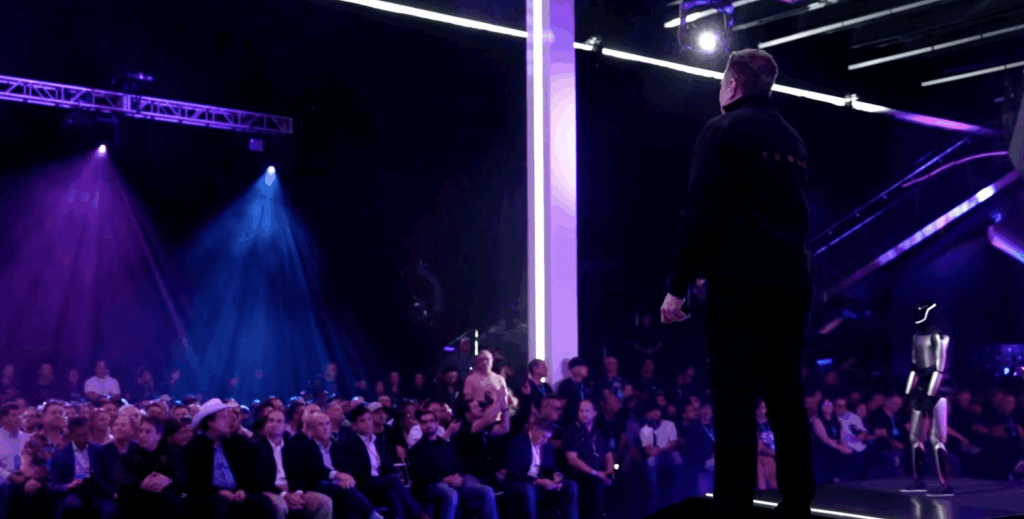
The 2029 start date is notable in itself. When Musk presented Terafab on 21 March, no meaningful construction timeline was given; the presentation instead centred on ambitious long-term targets that arguably were not very realistic. Among them: one terawatt of annual compute capacity, which is roughly double the current total chip output of the US, and 40-50 times the global output of AI chips specifically. Musk also suggested the project would produce one million wafer starts per month.
The emergence of 2029 as a working target, nearly four years away, is a more grounded frame than the March presentation implied, though still dependent on a project that has yet to break ground or finalise its design. Most of the timelines explicitly referred to during the original presentation were for near-term goals, like beginning small-batch engineering samples of the AI5 chip in late 2026.
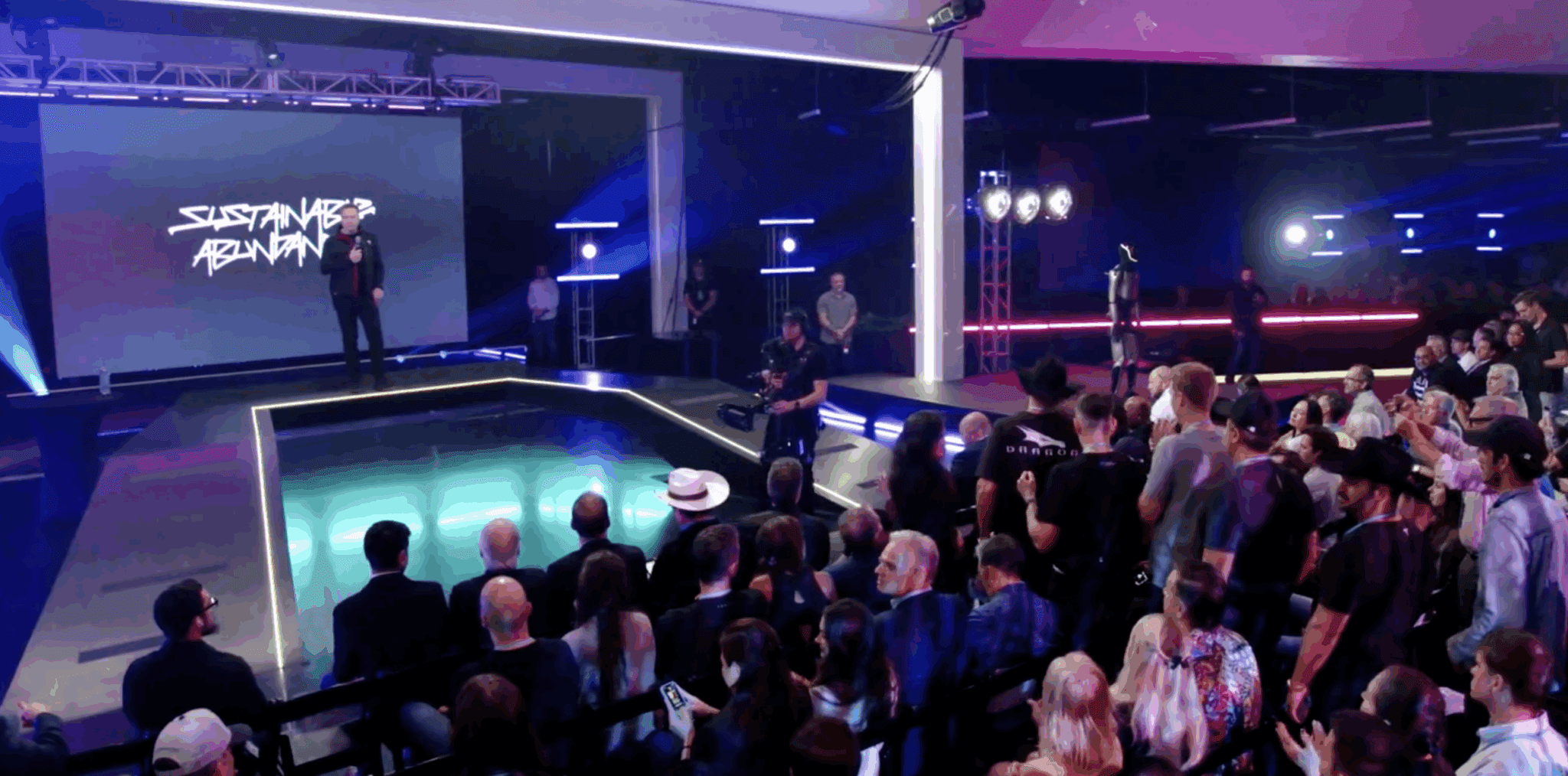
More telling is what the supplier outreach confirms about Terafab’s structure. When Musk unveiled the project, the framing was explicit: Tesla and SpaceX would build a vertically-integrated semiconductor operation to end their dependence on TSMC, Samsung, and other external suppliers. This, in theory, would shield it from the geopolitical and supply chain disruptions increasingly common in modern manufacturing.
Intel’s announcement just two weeks later that it would design, fabricate, and package Terafab’s chips effectively transferred the project’s operational core to an established foundry with Tesla and SpaceX as the de-facto and main customers. The supplier contacts indicated with Bloomberg are consistent with that revised structure—Terafab procuring equipment for a facility that Intel will more or less operate, and not an independent Tesla fabrication capability.
It should go without saying at this point that Musk’s forward-looking statements are highly unreliable and often outlandish. During the project reveal he told the audience that total global chip production amounted to around 2% of what his companies would eventually require—“we either build the Terafab or we don’t have the chips”.
Of course, none of this makes the Terafab project commercially unviable. Intel’s 18A process is among the most advanced in volume production, and securing a dedicated US-based wafer fab for AI and robotics chips addresses genuine supply constraints. However, the gap between Musk’s March presentation and the operational reality emerging in April is, once again, begging the question of how serious the project actually is.
Autonomous Driving,E-Mobility,Manufacturing,News,OEMs,Software-Defined Vehicle,Stewart Burnett,TeslaStewart Burnett,Tesla#Bloomberg #Terafab #solicits #chip #gear #original #vision #fades1776328376
More Stories
Pony.ai, CATL partner on first L4 electric light truck
UK lays regulations for automated passenger services
Leapmotor reveals China-only B05 Ultra at Beijing show