





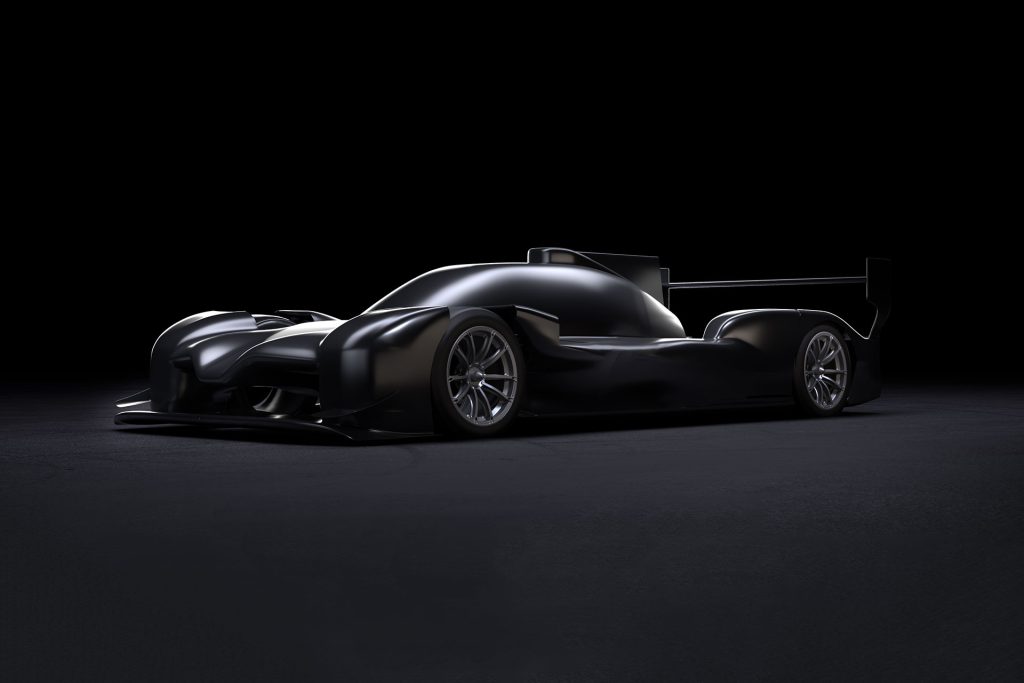
IBM and Italian high-performance vehicle maker Dallara are applying physics-based AI to motorsport aerodynamic design and simulation
IBM and Italian high-performance vehicle manufacturer Dallara have agreed a collaboration to apply physics-based AI foundation models to motorsport aerodynamic design. The two companies say early results show AI-driven simulations can reduce aerodynamic analysis time from hours to minutes, with implications they argue extend beyond the racetrack to passenger vehicles and aerospace.
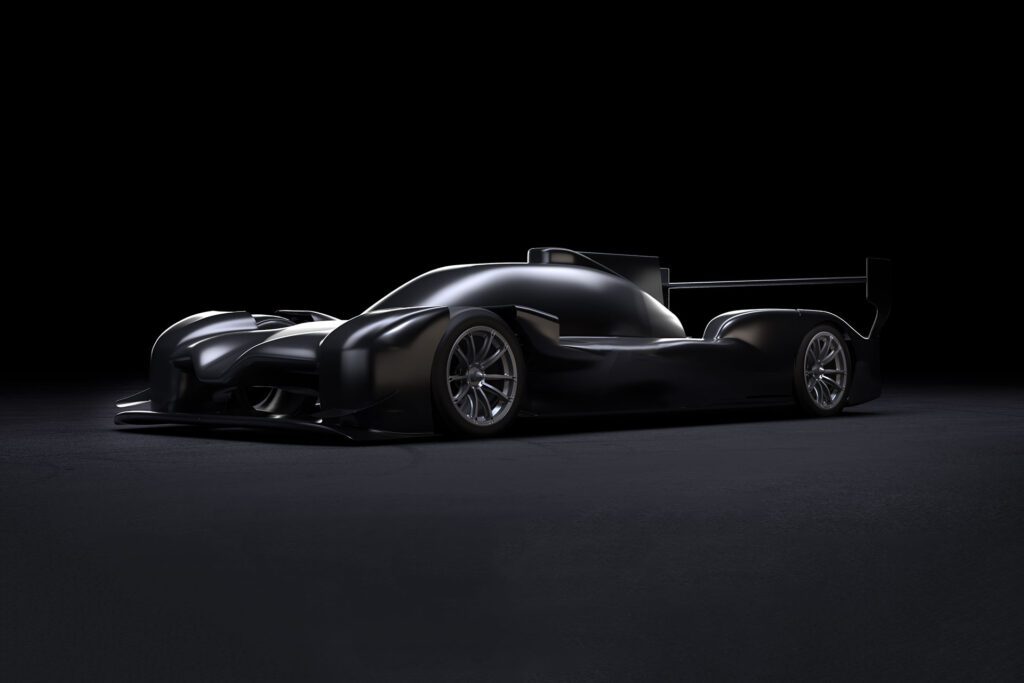
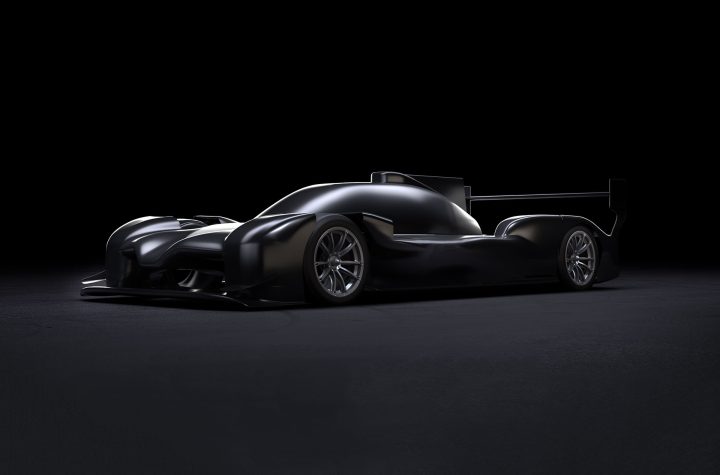
In one early test on a conceptual Le Mans Prototype 2 (LMP2)-style race car, IBM and Dallara compared traditional computational fluid dynamics (CFD) analyses of multiple rear diffuser configurations with results from the new AI method. The CFD calculations took several hours; the AI model completed the same evaluations in around 10 seconds, identifying the same optimal design with similar error margins.
In a statement, Fabrizio Arbucci, Chief Information Officer at Dallara, said: “High-performance vehicles are an ideal proving ground for neural surrogate models, but the potential impact goes well beyond the racetrack. Even a one to two percent reduction in drag across passenger vehicles could add up to meaningful fuel-efficiency gains at scale.”
IBM and Dallara are also starting to explore how quantum and hybrid quantum-classical computing could further extend simulation fidelity for complex aerodynamic problems. Initial results of the collaboration were detailed in a preprint published on arXiv on 20 April, building on IBM’s new Gauge-Invariant Spectral Transformers (GIST) model.
Source: IBM
Manufacturing,News,OEMs,Software-Defined Vehicle#Dallara #taps #IBM #speed #aerodynamic #design1777579093

More Stories
Hirschbach to scale Aurora autonomous fleet to 500
Mercedes ramps up three top-end models at Sindelfingen
Reach unveils full-stack AI portfolio at Auto China