

Hyundai tries to reverse its fortunes in China with a flood of market exclusives, while keeping the door open to exporting these new models overseas. By Stewart Burnett
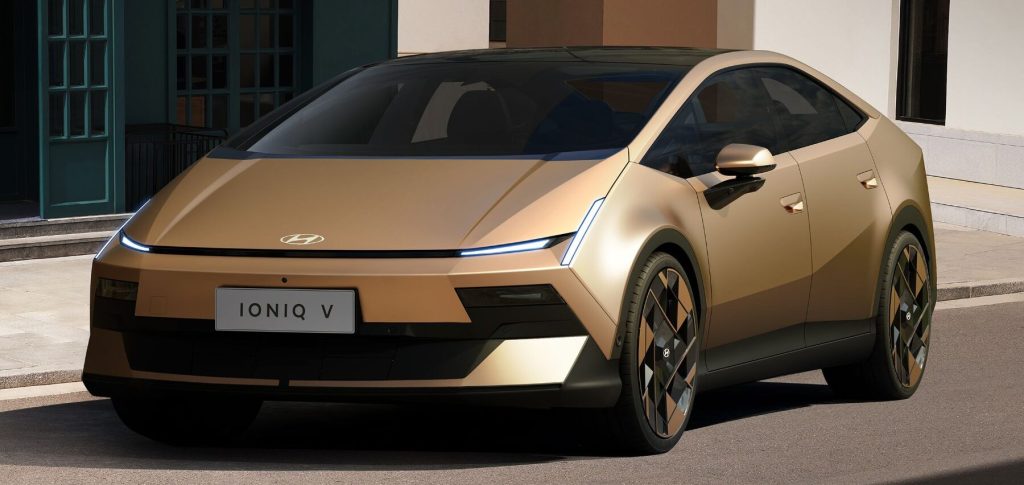
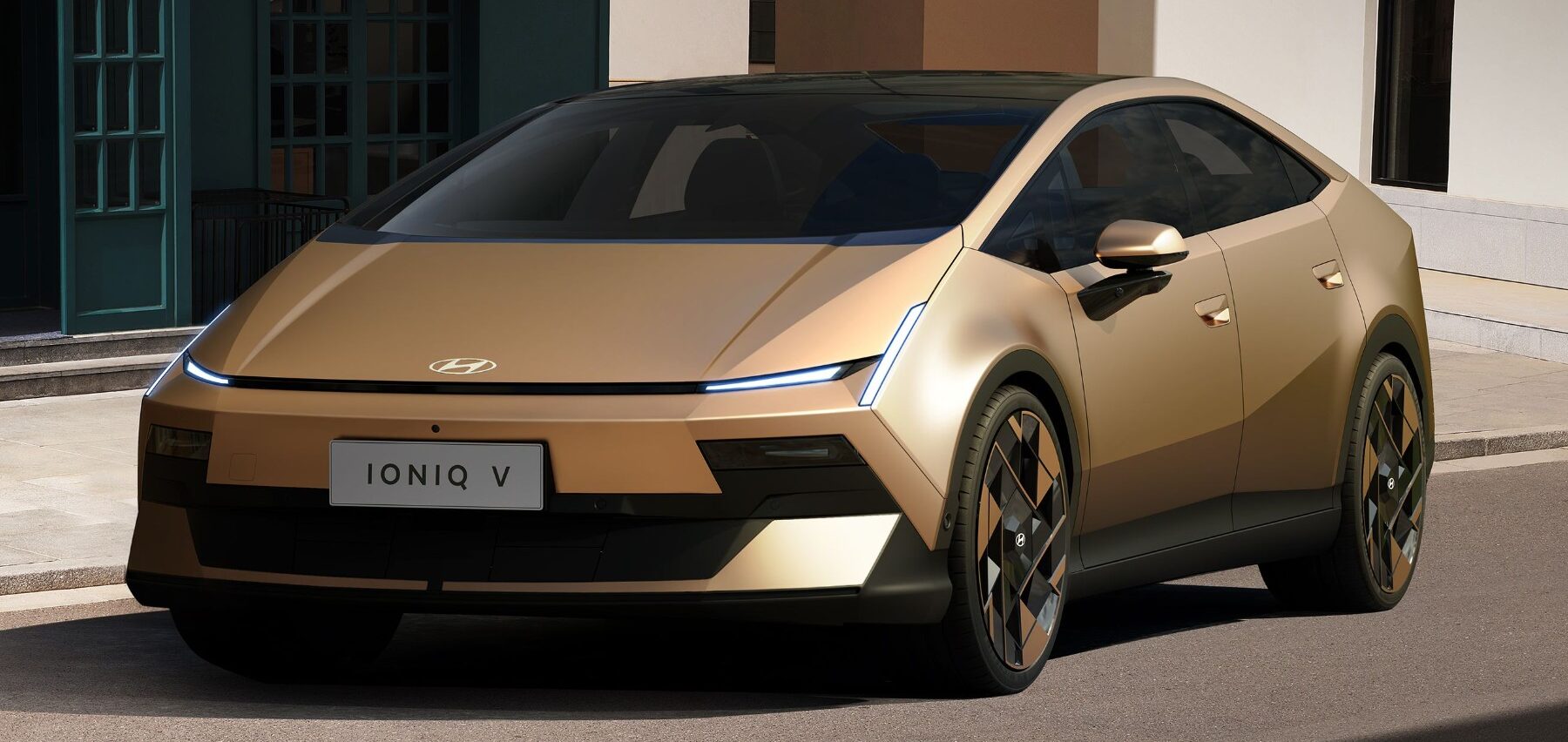
Hyundai marked its presence at the 2026 Beijing Auto Show by unveiling the Ioniq V, the first model it has exclusively developed for Chinese consumers. The reveal is stage one in a new plan to launch 20 models in the Chinese market over the next five years through its joint venture with state-owned BAIC.
The partners have together committed CN¥8bn (US$1.17bn) to the venture and are targeting annual sales of 500,000 vehicles by 2030, more than double their current volumes. The Ioniq V bears little similarity to its Western-market naming counterpart, the Ioniq 5: it is a sedan, not a compact SUV and comes in at 4,900mm long. The model offers over 600 km of CLTC-rated range, and features a 27-inch panoramic display and an AI voice assistant powered by a Qualcomm Snapdragon 8295 chipset.
Hyundai is partnering with autonomous driving developer Momenta and battery maker CATL to supply core technologies for the new lineup, and plans a follow-up SUV model in the first half of 2027. Appearing at the event, Chief Executive José Muñoz said that Hyundai wants China to function not only as a domestic sales market but as an export base, naming the UK, Europe, and the Middle East as target destinations for China-made Hyundai vehicles. “We don’t want China to be just an export hub, but also an export hub [in addition to serving a core market],” he said.
The renewed commitment comes after years of declining Chinese market share, with Hyundai struggling to keep pace against domestic electric vehicle brands on price, software, and product cycle speed. The localisation approach—adopting Chinese technology suppliers rather than transplanting Korean platforms—mirrors the strategy other foreign manufacturers have adopted in varying forms.
Hyundai was far from alone among the global cohort in renewing its efforts in the Chinese auto market: Volkswagen unveiled more than 20 electrified models at the same show, and several days prior Audi deepened its SAIC joint venture with four additional models and a dedicated Shanghai research and development centre. The pattern reflects a broader calculation by foreign players that competing in China requires building for it specifically instead of lightly adapting their existing lineup.
Hyundai’s 500,000-unit target will not be easy: it requires reversing a multi-year slide and establish the Ioniq brand in a market already saturated with well-funded, often significantly cheaper, domestic alternatives.
E-Mobility,Markets,News,OEMs,Software-Defined Vehicle,Hyundai Motor Group,Stewart BurnettHyundai Motor Group,Stewart Burnett#Hyundai #unveils #Chinaonly #Ioniq #20model #fiveyear #push1777036960
More Stories
Pony.ai, CATL partner on first L4 electric light truck
UK lays regulations for automated passenger services
Leapmotor reveals China-only B05 Ultra at Beijing show