


Whether accidental or not, a LinkedIn emoji reaction has removed Musk’s most persistent judicial opponent from three cases against him. By Stewart Burnett
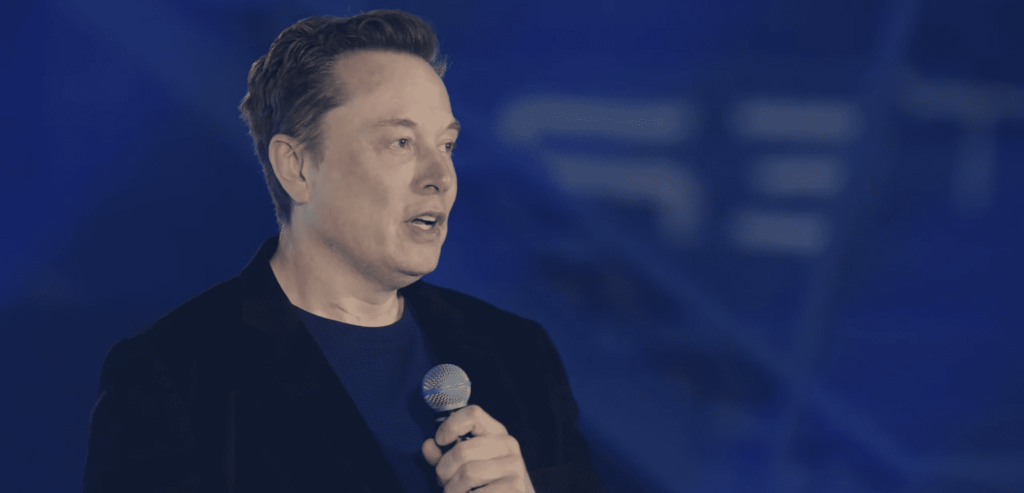
Delaware Court of Chancery Chancellor Kathaleen McCormick has reassigned three pending cases involving Tesla Chief Executive Elon Musk and company’s board to other judges, citing the risk that disproportionate media attention would harm the administration of justice. The move comes after Musk’s legal team filed a recusal motion accusing the judge of revealing her bias on social media, a claim she rejected in full.
The bias allegation can be reduced to a LinkedIn post by a jury consultant—not McCormick—that celebrated the outcome of a separate federal securities fraud trial in California, in which a jury found Musk liable for misleading Twitter investors ahead of his acquisition of the platform in 2022. The verdict could ultimately cost the Tesla boss more than US$2bn.
Musk’s lawyers produced a screenshot showing McCormick’s LinkedIn account had registered a supportive emoji reaction to the post and argued that, if she subsequently ruled in favour of Tesla shareholders in the Delaware cases, any such ruling would be tainted. McCormick denied the premise entirely, telling the parties her account had not knowingly supported the post and that she had flagged the activity to LinkedIn as suspicious.
McCormick also emphasised that she had dismissed a case against Musk the previous year, and stated plainly that she held no personal bias against the defendants. Nevertheless, she agreed to step aside, directing the attorneys who had sought her removal to attend the handover in person.
Following her announcement, one shareholder, David Wagner, withdrew his case entirely. Wagner had filed his lawsuit in 2022, alleging that Tesla’s board failed to enforce an SEC settlement requiring Musk to obtain company approval before publishing statements on social media.
Musk’s track record for unreliable forward-looking statements is well-established, arguably becoming more problematic—in some cases, outlandish—in the years following Wagner’s filing. Musk, for example, claimed shortly after Tesla’s robotaxi pilot launched in Austin that the company would expand robotaxi coverage to half of the US population by end-2025. As it stands, the service remains confined to a geofenced portion of the Austin metropolitan area, and there are few signs the automaker is seriously interested in expanding beyond this pilot.
With Wagner off the table, the two remaining actions concern claims regarding Musk and Tesla’s allocation of resources. One alleges that Musk’s founding of AI company xAI and his acquisition of Twitter (now X) diverted time, resources, and opportunities away from Tesla. The other challenges compensation paid to members of Tesla’s board. The plaintiffs in the xAI-related case are seeking, among other remedies, an order requiring Musk to divest from the company.
The development marks the latest chapter in a four-year spat between McCormick and Musk that has materially impacted Delaware’s standing as the default home of American corporate law. In early 2024 she voided his 2018 Tesla compensation arrangement—valued at the time at around US$56bn—after concluding that the board approval process had been compromised by Musk’s influence over its members. Indeed, one of the members is Kimbal Musk, Elon’s brother, who also sits on the board of SpaceX. A US$1tr compensation package, historic for its sheer enormity, would later be approved by Tesla stakeholders in November 2025.
The Delaware Supreme Court would subsequently restore Musk’s original compensation plan in December 2025, but by then Tesla had long since vacated the state and reincorporated in Texas. Musk has publicly urged other companies and startups to abandon the state.
The timing of the current cases is a direct consequence of that departure. Several Tesla shareholders filed their claims in the Court of Chancery in the narrow window before Tesla completed its reincorporation, specifically to preserve Delaware jurisdiction. Whether that calculation still serves them depends on how the reassigned judges approach cases that Musk’s team has already framed, successfully or otherwise, as products of a hostile court.
E-Mobility,Markets,News,OEMs,Stewart Burnett,TeslaStewart Burnett,Tesla#Delaware #top #judge #steps #Musk #cases1774940280


More Stories
Pony.ai, CATL partner on first L4 electric light truck
UK lays regulations for automated passenger services
Leapmotor reveals China-only B05 Ultra at Beijing show