


Zoox is looking to close some of the gap between it and Waymo as robotaxi deployment accelerates. By Stewart Burnett
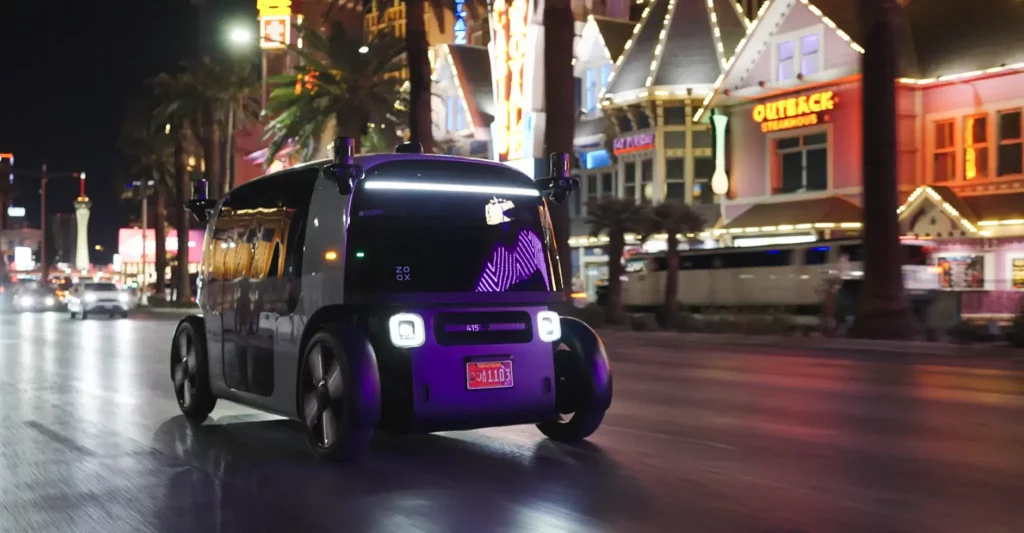
Amazon’s Zoox has announced plans to expand its robotaxi service to Austin and Miami later in 2026m with paid journeys expected to be introduced in Las Vegas by late June, pending National Highway Traffic Safety Administration (NHTSA) approval. The company is also quadrupling its coverage area in San Francisco to include the Marina, North Beach, Chinatown, and Pacific Heights.
The company ranks second in the US for offering rides to the general public, with 350,000 free journeys to date across San Francisco and Las Vegas. Commercial deployment will hinge on NHTSA approval of an exemption application that would permit commercial operation of its purpose-built, steering-wheel-free vehicles.
The paid service cannot launch until NHTSA completes a public consultation closing in early April and grants a two-year exemption from federal vehicle safety standards. Transport Secretary Sean Duffy has signalled openness, stating earlier in March that requirements including the mandatory steering wheel may need to be reconsidered for autonomous vehicles. Zoox views the exemption as a stopgap until formal federal rules are updated; the company recently participated alongside Waymo and Aurora at a NHTSA forum designed to help inform future frameworks.
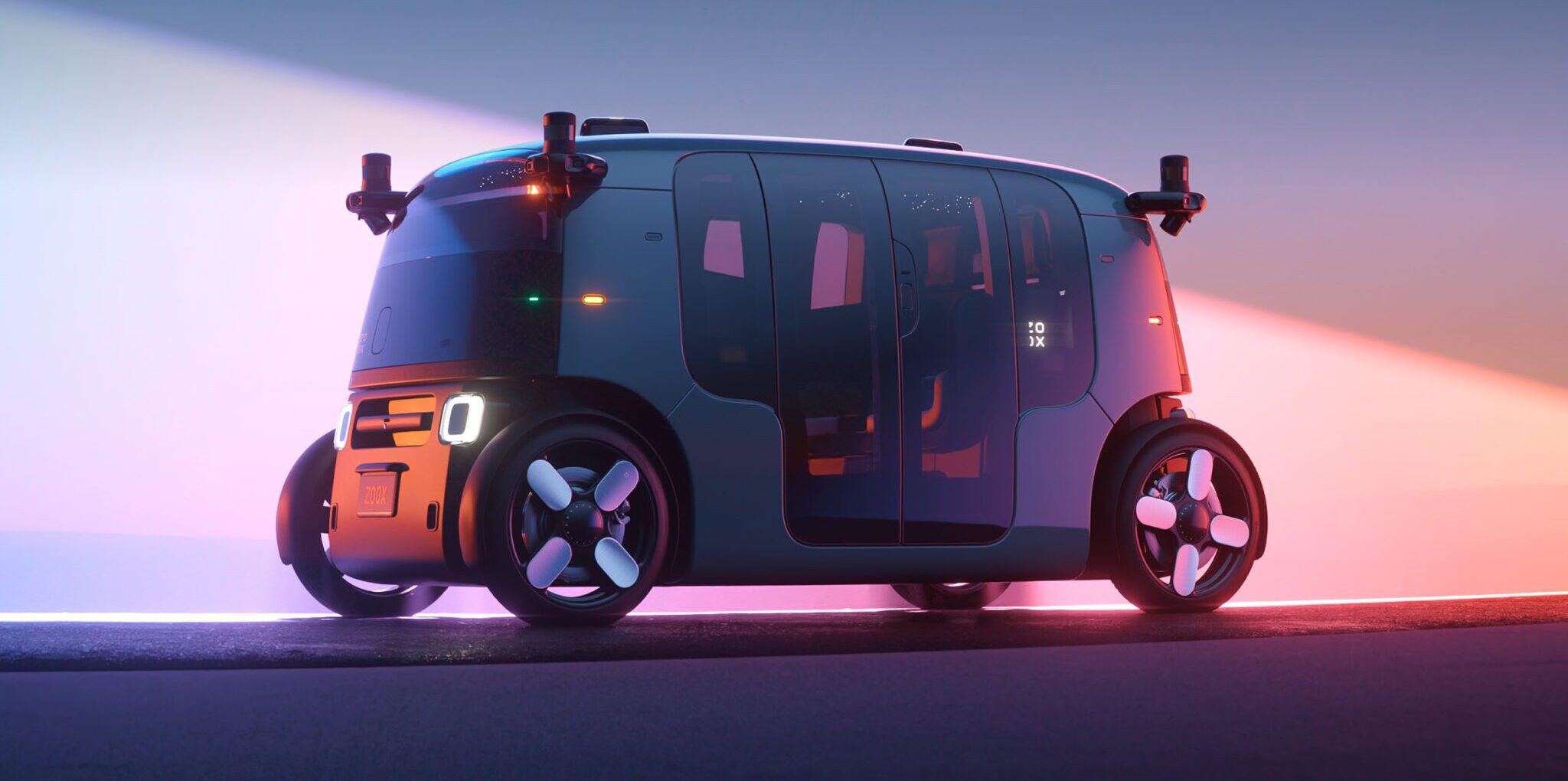
The expansion widens a competitive field that Waymo continues to lead, having processed 400,000 paid rides per week across ten US cities—more than Zoox’s total to date. Waymo is also planning its first overseas deployments for London and potentially Tokyo later in 2026.
Like a majority of autonomous driving players (including Waymo), Zoox is working with Uber to deploy robotaxis on its platform. The two struck a deal earlier in March for commercial deployments in Las Vegas this summer, with a second deployment in Las Vegas planned for 2027. The company says it intends to keep major markets including San Francisco exclusive to its own app.
Tesla’s Cybercab service, despite being more ‘advanced’ in the sense that it offers paid rides, remains confined to Austin. Chief Executive Elon Musk forecast that the service would cover half of the US population by end-2025, but at the time of writing it is not clear when—or even if—a second deployment will happen.
Zoox is targeting a production rate of three vehicles per hour as it scales later this year, with a fleet of 100 robotaxis expected to be on public roads once deployments are underway.
Autonomous Driving,Markets,News,Software-Defined Vehicle,Stewart BurnettStewart Burnett#Zoox #eyes #paid #rides #fourcity #expansion #year1774378989
More Stories
Pony.ai, CATL partner on first L4 electric light truck
UK lays regulations for automated passenger services
Leapmotor reveals China-only B05 Ultra at Beijing show