



Xpeng joins a growing number of Chinese electric vehicle players to have hit profitability in recent months. By Stewart Burnett
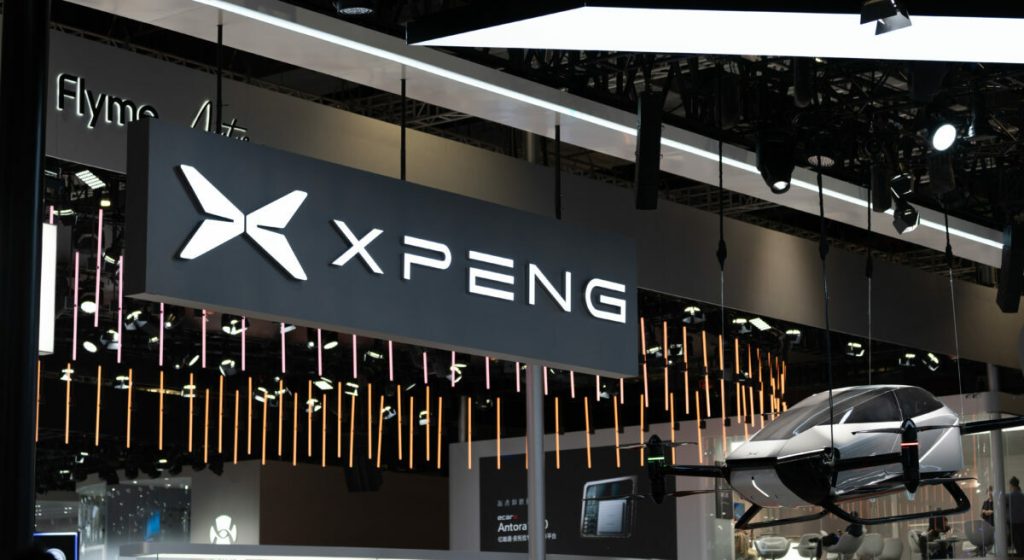
Xpeng has posted its first-ever quarterly net profit of CN¥380m (US$50m) for the fourth quarter of 2025, and concurrently announced it will launch electric vehicles (EVs) for the Latin American market at an event in Mexico on 25 March. The dual announcements complete a milestone week for the Chinese automaker, which joins Nio, Li Auto, and Leapmotor among the country’s EV startups to reach profitability.
Fourth-quarter revenue rose 38.2% year-on-year to CN¥22.25bn, with gross margin expanding 6.9% to 21.3%. Services and other revenues surged 121.9%, driven primarily by technical research and development services provided to an unnamed automaker that analysts largely believe is Volkswagen. Xpeng has an active technology partnership with the German automaker, and a second model stemming from the tie-up is set to launch in China this year.
Not all was peachy: deliveries of 116,249 vehicles missed the lower end of the company’s own guidance of 125,000-132,000 units. Xpeng’s Q1 2026 outlook is also appreciably short than analysts had expected. The automaker has forecast deliveries in the region of 61,000- 66,000 vehicles and revenue of CN¥12.2bn-¥13.3bn against expectations of about CN¥15.7bn. Like many players in China’s hyper-competitive auto market, it is reckoning with a slowdown in sales following the rollback of government purchase subsidies. Retail passenger vehicle sales fell 25% year-on-year in February, with new energy vehicles posting an even steeper decline.
So, like many compatriot marques, it is setting its sights on global expansion to counteract this domestic weakness—and in particular, Latin America. Mexico represents a strategically significant first step into this region, and other Chinese automakers have established a substantial presence despite a recently-imposed 50% import tariff on vehicles from countries without free trade agreements.
BYD currently dominates the Mexican EV market, and both it and Geely are reportedly competing to acquire the former Nissan-Mercedes plant in Aguascalientes to establish a local production. Xpeng’s entry adds further competitive pressure to a market increasingly crowded with Chinese brands navigating the tension between US trade hostilities and the appetite of Mexican consumers for low-cost EVs. With no local production footprint to speak of, however—BYD can nearshore from Brazil—it will be forced to deal with steep 50% duties as it tries to compete.
Chairman He Xiaopeng used the results to reaffirm Xpeng’s broader ambitions beyond passenger vehicles, stating the automaker expects to commence mass production of humanoid robots, flying cars, and robotaxis in 2026. Stellantis has also been reported as exploring a partnership with Xpeng for technology sharing and platform integration in Europe, mirroring the existing Volkswagen relationship.
E-Mobility,Markets,News,OEMs,Software-Defined Vehicle,Stewart BurnettStewart Burnett#Xpeng #posts #quarterly #profit #plots #Latin #America #push1774011777


More Stories
Pony.ai, CATL partner on first L4 electric light truck
UK lays regulations for automated passenger services
Leapmotor reveals China-only B05 Ultra at Beijing show