




VW and Volvo have added their voices to growing concerns over the Iran invasion’s impact on demand, supply chains, and energy costs. By Stewart Burnett
Volkswagen and Volvo Cars have warned that the conflict in Iran is eroding consumer confidence at a moment when the global automotive industry was already struggling to find its footing. Speaking at a Society of Motor Manufacturers and Traders event in London on 12 March, Volkswagen Passenger Car Sales Chief Martin Sander said the brand was already observing a decline in customer sentiment across multiple markets, describing the conflict as “another layer of anxiety” on top of existing uncertainty.
Volvo’s UK Managing Director Nicole Melillo Shaw echoed the concern, noting that the particular combination of cost-of-living pressures and geopolitical instability could significantly dissuade consumers from buying new vehicles. Even those strongly considering a new vehicle purchase may delay to see if conditions improve.
When war dominates the headlines, consumer confidence typically plummets. Vehicles are, for most consumers, ‘durable goods’—expensive purchases that can easily be delayed when the future is uncertain. Indeed, central banks often raise their interest rates to combat geopolitically-induced inflation, making car loans significantly more expensive.
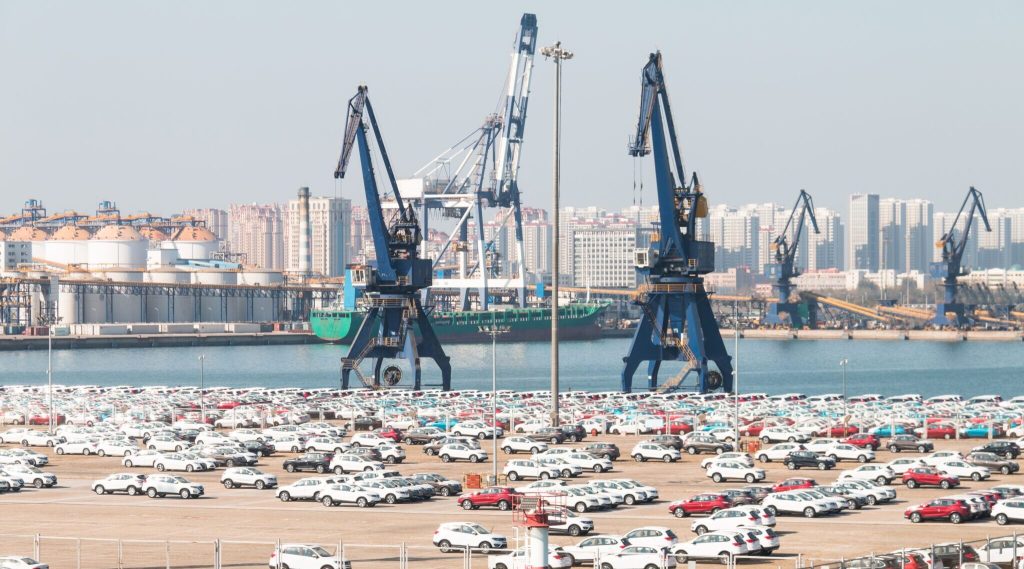
Of course, the impact extends well beyond consumer sentiment. Toyota has already notified suppliers of cuts totalling roughly 40,000 units across March and April, representing 60% to 70% of its estimated monthly export volume to the Middle East, after disruption to shipping routes around the Strait of Hormuz. Fears over the waterway, through which 22% of global oil supply passes, have prompted major carriers including Hapag-Lloyd, Maersk, and MSC to suspend transits, lengthening delivery times and raising input costs for automakers that rely on it. While Volkswagen’s supply chains haven’t been impacted by the Iran conflict, business in the Middle East “has basically stopped,” Sander said.
Other European OEMs are projecting a more collected disposition: BMW Chief Executive Officer Oliver Zipse emphasised during a 12 March interview with Bloomberg that the war has yet to directly impact either its supply chains or sales. “In 2020, we had corona, the year after we had supply chain issues on the semiconductor side, we had energy issues,” he said. “So, we will respond as always.”
The conflict has also scrambled energy trade flows in ways that carry their own automotive implications. India, which had reduced Russian oil imports to around one million barrels per day as part of trade negotiations intended to remove punitive US tariffs, has since reversed course sharply. Russian crude imports jumped 50% in the first week of March to 1.5 million barrels per day.
Markets,News,OEMs,Uncategorised,Stewart BurnettStewart Burnett#Volvo #Iran #war #adds #fresh #anxiety #fragile #demand1773332136
More Stories
Pony.ai, CATL partner on first L4 electric light truck
UK lays regulations for automated passenger services
Leapmotor reveals China-only B05 Ultra at Beijing show