




The original fuel efficiency rules proposed in November were widely seen by automakers as disproportionately benefitting Maruti Suzuki. By Stewart Burnett
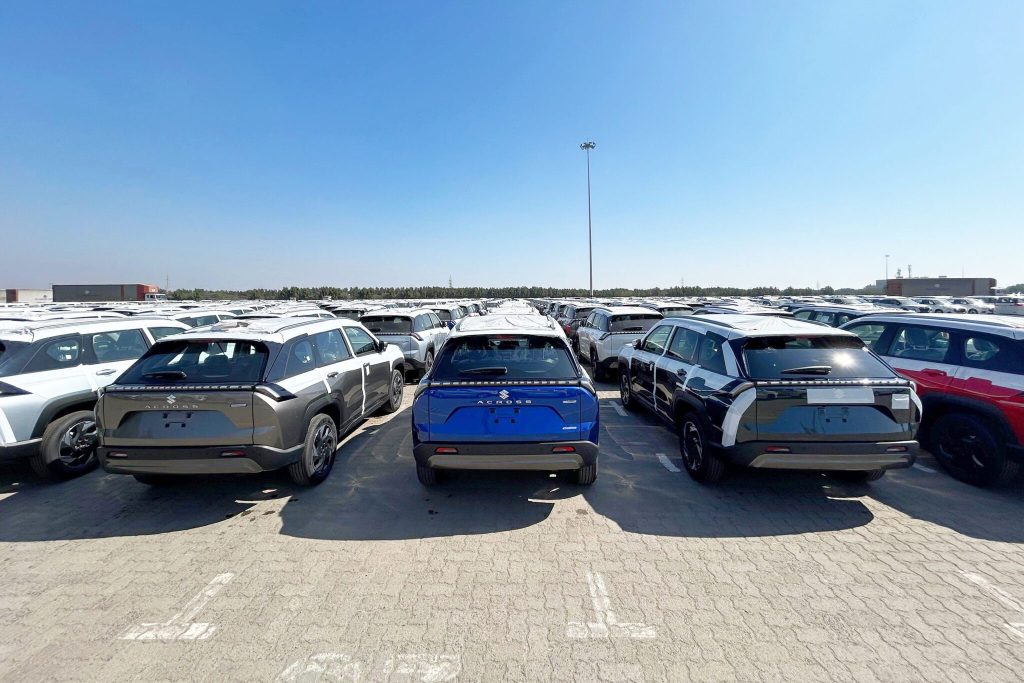
India has scrapped a planned concession for small cars in its upcoming fuel efficiency rules after several automakers including Tata Motors and Mahindra & Mahindra argued it would benefit only one company—and not them. A September draft had proposed leniency for gasoline cars weighing 909 kg or less, but this carve-out was widely seen as favouring Maruti Suzuki, which controls 95% of the small car market.
In response, the Ministry of Power has removed that exemption while tightening other parameters, including ramping up the pressure on all automakers to ramp up their electric and hybrid vehicle sales. The new rules curb over-compensation for vehicle weight, aim to level the field between light and heavy fleet OEMs, and introduce a substantially steeper emissions reduction pathway for emissions. The new rules apply from April 2027 for five years and will prove central to the product and powertrain investment plans for all automakers operating in the Indian market.
The September draft would have allowed fuel-consumption targets to rise faster with vehicle weight, easing compliance for makers of heavier cars—for example Mahindra, which focuses on commercial vehicles, pick-ups and SUVs, as well as Tata and Volkswagen. The revised plan instead reduces the extent to which heavier vehicles benefit from these more relaxed targets, with manufacturers of heavier fleets required to achieve stronger intrinsic efficiency improvements.
Also under the revised plan is a credit system that will reward companies selling more electric vehicles and plug-in hybrids, while pooling of fuel-consumption performance between companies—a strategy already deployed in the EU—will be allowed. Failure to comply with the new rules will draw penalties of up to US$550 per car.
The revised plan also aims to cut average fleet emissions to about 100 grams per km between 2027 and 2032 from a present level of around 114 grams. The introduction of credits could potentially reduce this figure to as little as 76 grams per km should electric vehicle market share reach 11% by 2032.
At the time of writing, road transport accounts for about 12% of India’s energy use and is a major driver of petroleum imports and CO2 emissions. Passenger vehicles make up nearly 90% of transport-related emissions.
E-Mobility,Markets,News,Stewart BurnettStewart Burnett#India #tweaks #fuel #efficiency #rules #drops #small #car #exemption1770689580

More Stories
Pony.ai, CATL partner on first L4 electric light truck
UK lays regulations for automated passenger services
Leapmotor reveals China-only B05 Ultra at Beijing show