


A federal mandate requiring impaired-driver detection in all new vehicles is still in the works. With no rule and no clear timeline, automakers and dealers are left waiting and wondering when and if it will happen.
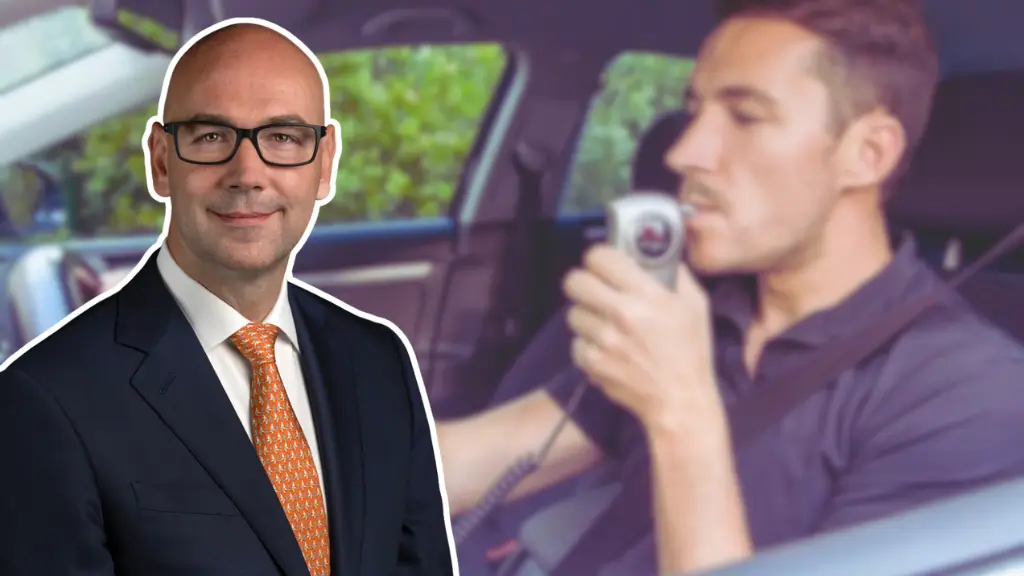
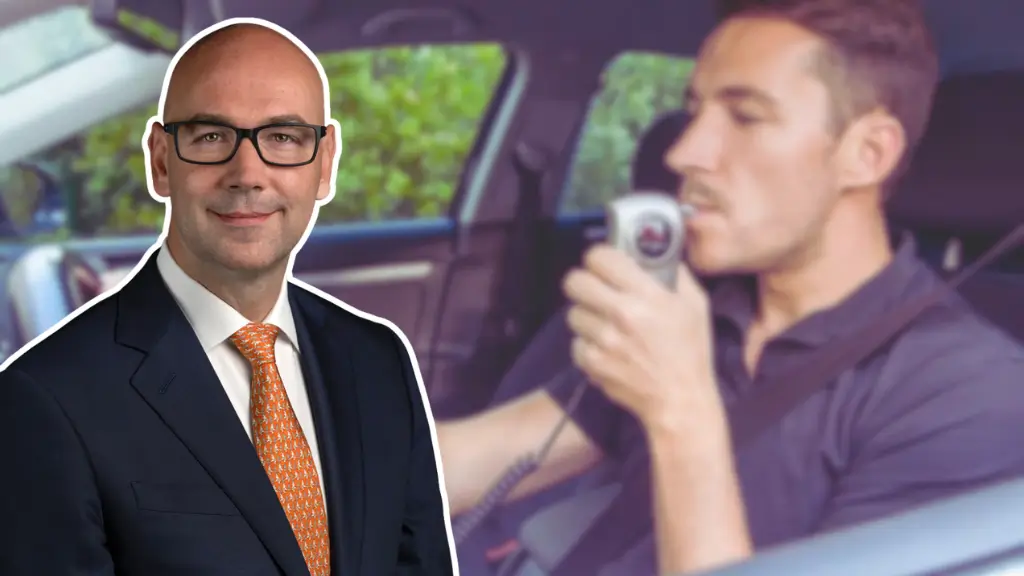
NHTSA Administrator, Jonathan Morrison
A federal mandate, commonly known as the “Kill Switch Law,” remains active despite missing a key deadline. This law requires all new cars to use technology that detects impaired driving and intervenes accordingly.
Congress passed the HALT Drunk Driving Act as part of the 2021 Infrastructure Investment and Jobs Act. It directed the National Highway Traffic Safety Administration (NHTSA) to create a new Federal Motor Vehicle Safety Standard requiring advanced impaired-driving-prevention technology in every new passenger vehicle.
The NHTSA missed its own November 2024 rule-making deadline. Congress granted the agency an extension, but there is no public timeline for when that will expire. The agency says it is still working through more than 3,000 public comments before announcing any new rule changes.
Sign up for CBT News’ daily newsletter and get the latest industry stories delivered straight to your inbox.
What the mandate means
The law mandates that systems monitor driver performance to detect impairment, detect a blood alcohol concentration of 0.08% or higher, or both. When impairment is detected, the system must prevent or limit vehicle operation.
Today’s ignition interlocks require drivers to blow into a tube. This law prohibits that approach. Systems under consideration include breath-based sensors, infrared touch technology, and camera-based driver monitoring.
Several obstacles in the way
One of the biggest obstacles to implementing the mandate is that the technology simply isn’t available. NHTSA’s own research has not identified any commercially available technology that accurately and passively detects driver alcohol impairment. Most systems reviewed are early-stage or were never designed for in-vehicle use.
NHTSA must also address cybersecurity concerns and consumer acceptance issues before it can propose a new rule.
The mandate faces opposition in Congress. Rep. Scott Perry (R-Pa.) introduced the No Kill Switches in Cars Act in February 2025, seeking to repeal the mandate outright. The bill remains in committee.
Added costs and customer concerns
If the rule is finalized, automakers face a real engineering problem. Passive in-cabin sensor systems and AI-driven processing will likely be required. That means added hardware, software, and compliance costs folded into future vehicle development cycles.
Dealers will feel it at the showroom. Driver monitoring technology already generates friction with buyers and privacy advocates.
Exactly how the system would intervene also remains undecided. The law requires systems to prevent or limit operation. That could mean a no-start condition or a limp mode restricting speed. NHTSA has not proposed which approach it will require.
What happens next
NHTSA must submit annual reports to Congress until it issues a final rule. A proposed rule, once published, still requires a full public comment period before any standard is finalized. The agency has not indicated when that proposal will be released.
The ‘Kill Switch’ mandate isn’t dead yet, and it’s something the industry will need to keep a close eye on as it slowly moves forward unless Congress takes action to kill it for good.
Industry News,Safety & Compliance,Articles,Headlines,automotive industry,dealership news,automotive news,auto industry news,NHTSA,drunk driving,drunk driving prevention,automotive industry news#NHTSAs #controversial #Kill #Switch #mandate #lives #missed #deadline #repeal #effort1777647202

More Stories
Diesel was never the problem – Washington was the problem!
Stellantis & VW post mixed Q1 results, UAW monitor flags investment failures, Rivian boosts GA plant capacity
Rivian increases Georgia plant capacity to 300,000 units, narrows Q1 losses