
Tesla’s modest robotaxi expansion is the latest in a series of strategically timed positive announcements before tough earnings calls. By Stewart Burnett
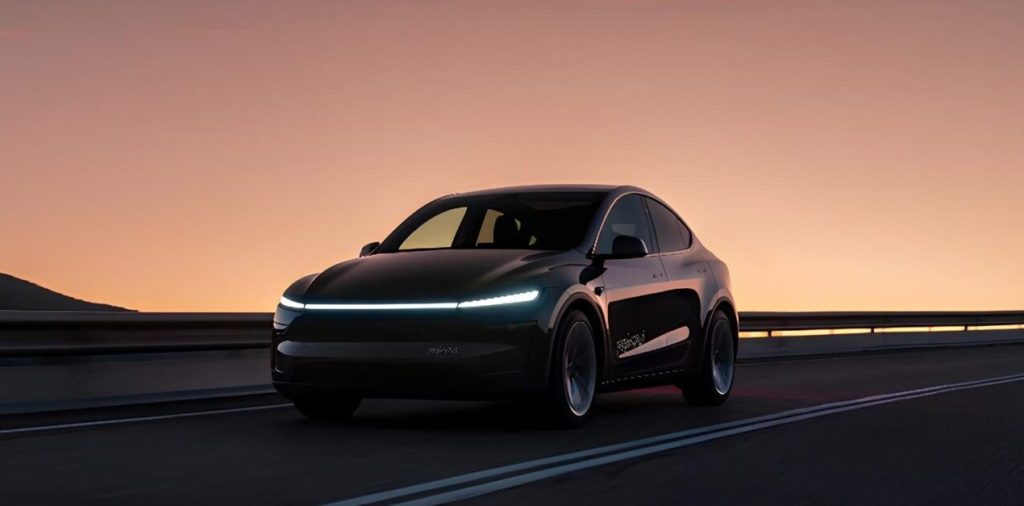
Tesla has quietly announced the expansion of its robotaxi service into Dallas and Houston, marking the service’s first commercial deployment outside of Austin for the first time and operating without safety drivers in both cities. The service will be operating, at least to some degree, without safety drivers in both cities, making Tesla technically the first automaker to run unsupervised services in multiple Texas cities.
The scale of the current deployment is very modest. Crowdsourced tracking data suggests approximately one active vehicle in each new city against 46 in Austin. This may be an overshot, given that Tesla’s robotaxi fleet in Austin was estimated to hover between 37 to 45 vehicles as of March 2026. Coverage zones are also relatively narrow: roughly 78 to 90 square kilometres in Dallas and 30 to 39 in Houston, the latter representing a fraction of a per cent of the greater Houston metropolitan area. Tesla has not disclosed fleet size targets for either market.
The driverless milestone for deployments inTexas may also warrant further scrutiny. While it is the case that Tesla began offering unsupervised rides in Austin early in 2026, reports have circulated that only a very small fraction of the city’s total fleet actually operate in this way, and only in a very small part of the total geofenced area.
The timing of the announcement fits a consistent pattern with Tesla: nestled immediately before an earnings call to lift stock prices ahead of potentially disappointing results. The automaker’s Q1 delivery figures of 358,023 vehicles represented a modest year-on-year gain, but were flat against Q1 2024 and notably 50,000 units lower than what the company actually produced during the quarter. Announcing a robotaxi expansion two days before those results are discussed with analysts also provides a—by now familiar—sunny forward-looking narrative to juxtapose against the numbers.
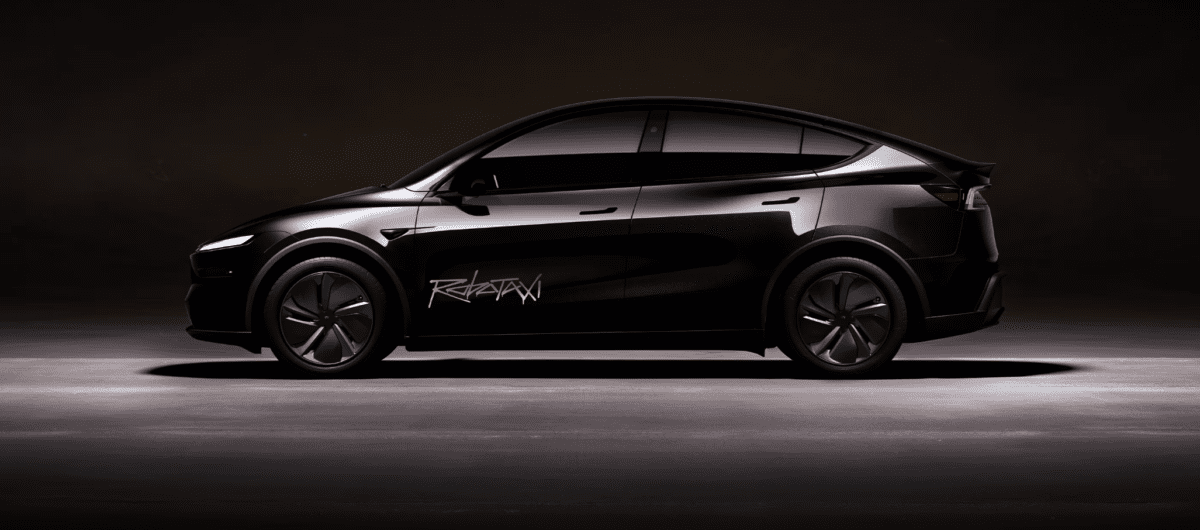
The Austin service, which has been running for ten months, offers a more grounded window into Tesla’s actual performance on autonomous driving. As of February, the automaker’s regulatory filings showed 14 crashes since launch; this would come out to around one incident per 57,000 miles against its own stated human benchmark of one per 229,000 miles. All 14 occurred while safety monitors were present. Unlike all other US autonomy platers, Tesla redacts the narrative section of every crash report on the pretext of confidential business information, making independent fault assessment impossible.
Waymo, effectively the US’ competitive benchmark, operates just north of 200 fully autonomous vehicles in Austin alone through the Uber platform, in addition to services in Phoenix, San Francisco, Los Angeles, Miami, and Orlando. It has also recently entered Dallas and Houston on a testing basis. Waymo’s sensor architecture—combining LiDAR, radar, and cameras—differs fundamentally from Tesla’s camera-only approach, which relies on neural networks rather than direct spatial sensing. The vast majority of autonomous driving experts consider multi-sensor perception a prerequisite for reliable operation in complex or degraded conditions; Tesla’s position that cameras alone are sufficient when paired with powerful enough AI remains the central technical disagreement in the field.
Early rider reports from Dallas suggest the current system can handle routine urban driving but struggles with edge cases. One account shared with Business Insider detailed a robotaxi missing a highway exit, travelling at 80-90 mph before decelerating unexpectedly, circling the same hotel five times, and attempting to drop the passenger 2.6 miles from the destination before a remote operator intervened. Tesla has confirmed that human remote operators take control in some situations.
Amazon’s Zoox is active in Las Vegas and San Francisco, and Uber is building a broad autonomous platform through a sprawling network of partnerships with around 20 companies including Rivian, Waymo, May Mobility and Volkswagen. Tesla’s Texas expansion is operationally significant as a first baby step beyond a single city, but the gap between its current fleet size, crash performance, and coverage depth on one side, and its stated ambition of continental-scale autonomous mobility on the other, arguably deflates the sunny forward outlook it is trying to project ahead of its Q1 results.
Autonomous Driving,E-Mobility,Markets,News,OEMs,Software-Defined Vehicle,Stewart Burnett,TeslaStewart Burnett,Tesla#Tesla #launches #robotaxi #Dallas #Houston #ahead #results1776767690
More Stories
Pony.ai, CATL partner on first L4 electric light truck
UK lays regulations for automated passenger services
Leapmotor reveals China-only B05 Ultra at Beijing show