



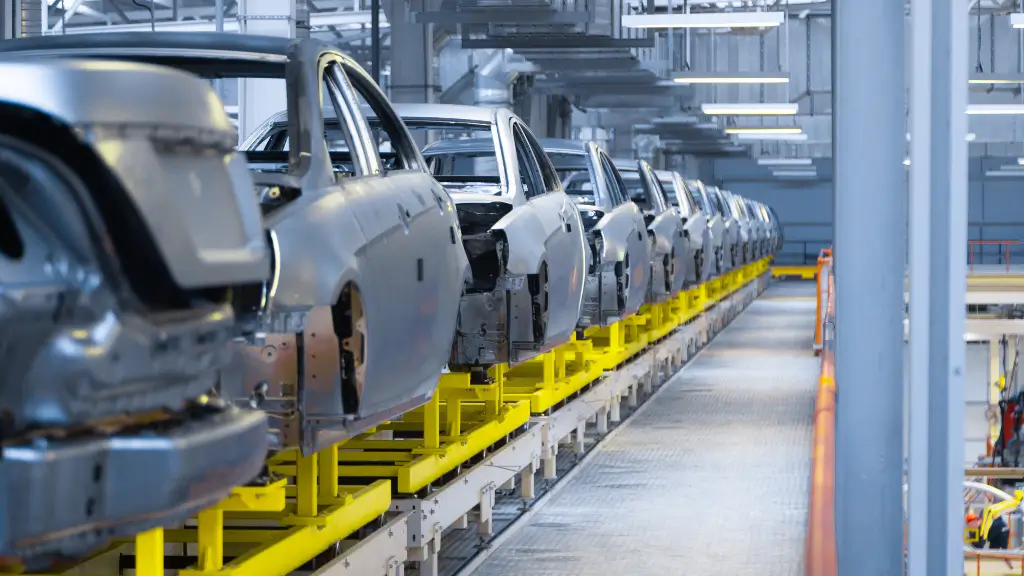
A production pause tied to software and demand challenges is expected to affect earnings as VW adjusts its EV strategy.

On the Dash:
- A production halt may tighten EV inventory and disrupt vehicle availability at U.S. dealerships.
- Software delays highlight ongoing execution challenges that could push back product timelines and rollout plans.
- Continued softness in EV demand and margin pressure are forcing automakers to reassess production and scaling strategies.
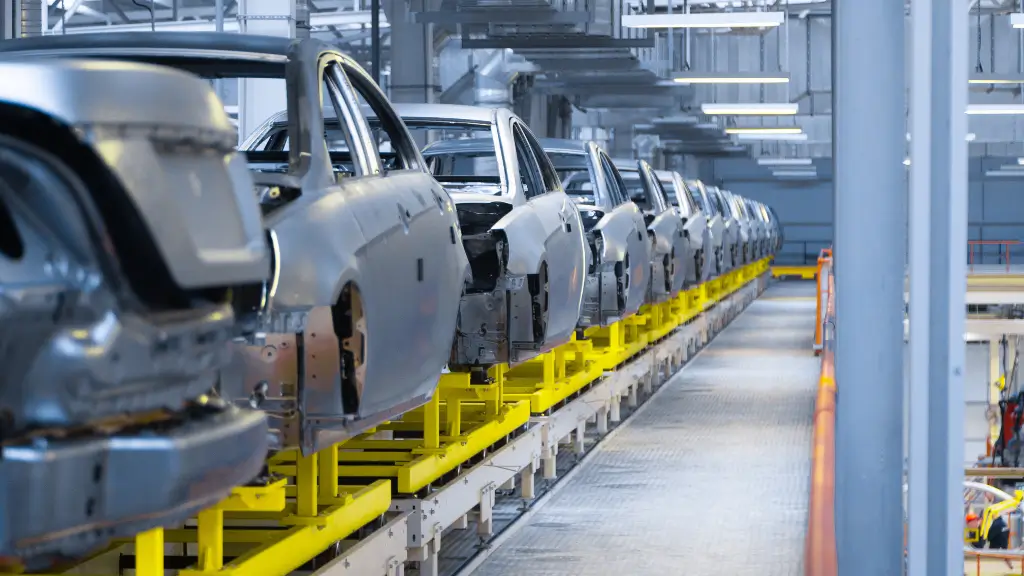
Volkswagen is expected to record a first-quarter financial charge after halting electric-vehicle production at its Chattanooga, Tennessee, plant, which highlights ongoing challenges tied to software readiness and shifting EV demand.
The production pause, which affects key U.S.-market EV models, is linked to delays in software development and integration, according to analysts. The disruption is expected to weigh on near-term output and result in a financial hit to the automaker’s quarterly earnings.
Sign up for CBT News’ daily newsletter and get the latest industry stories delivered straight to your inbox.
Analysts say the pause also highlights the rising costs of adjusting EV production strategies as automakers respond to evolving market conditions. Volkswagen, like many global manufacturers, continues to invest heavily in electrification while facing pressure on margins tied to rising costs and slower-than-expected demand growth.
Meanwhile, the Chattanooga facility plays a central role in Volkswagen’s North American EV strategy, making the production halt particularly important for U.S. operations. Any disruption at the plant could affect vehicle availability and inventory levels across the region.
The pause also reflects broader industry challenges, including pricing pressure, inventory management concerns, and uneven consumer EV adoption. Therefore, automakers are increasingly reassessing production timelines and scaling plans as demand stabilizes at levels lower than anticipated.
Volkswagen’s decision to halt production illustrates the complexity of balancing long-term EV investments with near-term market realities. As the company works through software issues and recalibrates its strategy, the impact is likely to be felt across both its financial results and its U.S. retail network.
Industry News,Articles,Headlines,auto industry,dealership news,Retail Automotive,production halt,EV news,electric vehicles,Volkswagen,car business#Volkswagen #faces #charge #halting #production #Tennessee #plant1776288245


More Stories
Weekly roundup: FTC wants dealers to report deceptive pricing, Ford boost U.S. assembly, Carvana expands dealership portfolio
Autonomous future back in focus as Waymo expands, Uber reinvests billions
New car sales drop 7.3% in April, but don’t blame buyers