


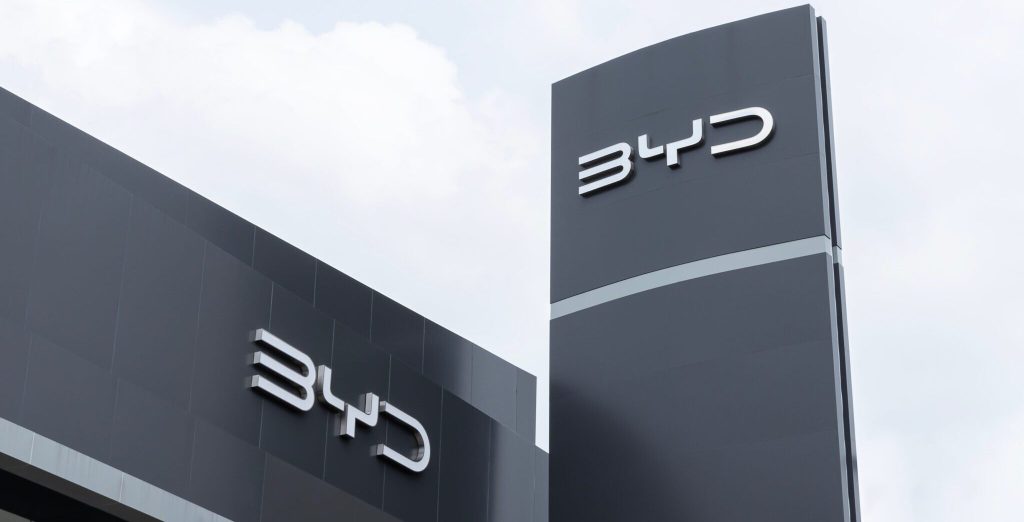
A pattern of behavior is beginning to emerge around BYD’s treatment of Chinese migrant workers at overseas plants. By Stewart Burnett
US nonprofit China Labor Watch (CLW) claims it has found evidence of forced labour indicators on the construction site of BYD’s plant in Szeged, Hungary, including shifts of up to 14 hours, seven-day weeks, three-month wage delays, recruitment fees used as debt bondage, and restrictions on workers’ ability to return home. The organisation interviewed 50 Chinese workers, brought over for the construction effort, and provided its findings to Canadian outlet CBC ahead of publication later in April 2026.
Workers told CLW’s investigators that they were instructed to lie to labour inspectors about the true extent of their working hours, which could reportedly exceed 70 per week. Many entered Hungary on business visas rather than the proper work permits, leaving them without access to healthcare in the event of sickness or workplace injuries; it also left them with limited recourse against their employers. An inability to speak languages besides Mandarin also left them with limited ability to report on the conditions.
CLW noted that the opaque nature of BYD’s contracting arrangements essentially allowed the automaker to shield itself from direct accusations of impropriety and deflect responsibility. Workers at the plant were hired through multiple tiers of subcontractors, including AIM Construction Hungary KFT, part of Jinjian Construction Group. BYD has yet to publicly comment on the incident, but has left the blame at the feet of its subcontractors in previous instances of such behaviour.
A pattern of behaviour appears to be emerging here. In November 2024, Brazilian labour inspectors found that Chinese construction workers at BYD’s Camaçari plant were living in similarly deprived conditions: severe overcrowding, withheld wages, uncommonly long working hours, and having to surrender their passports to subcontractors.
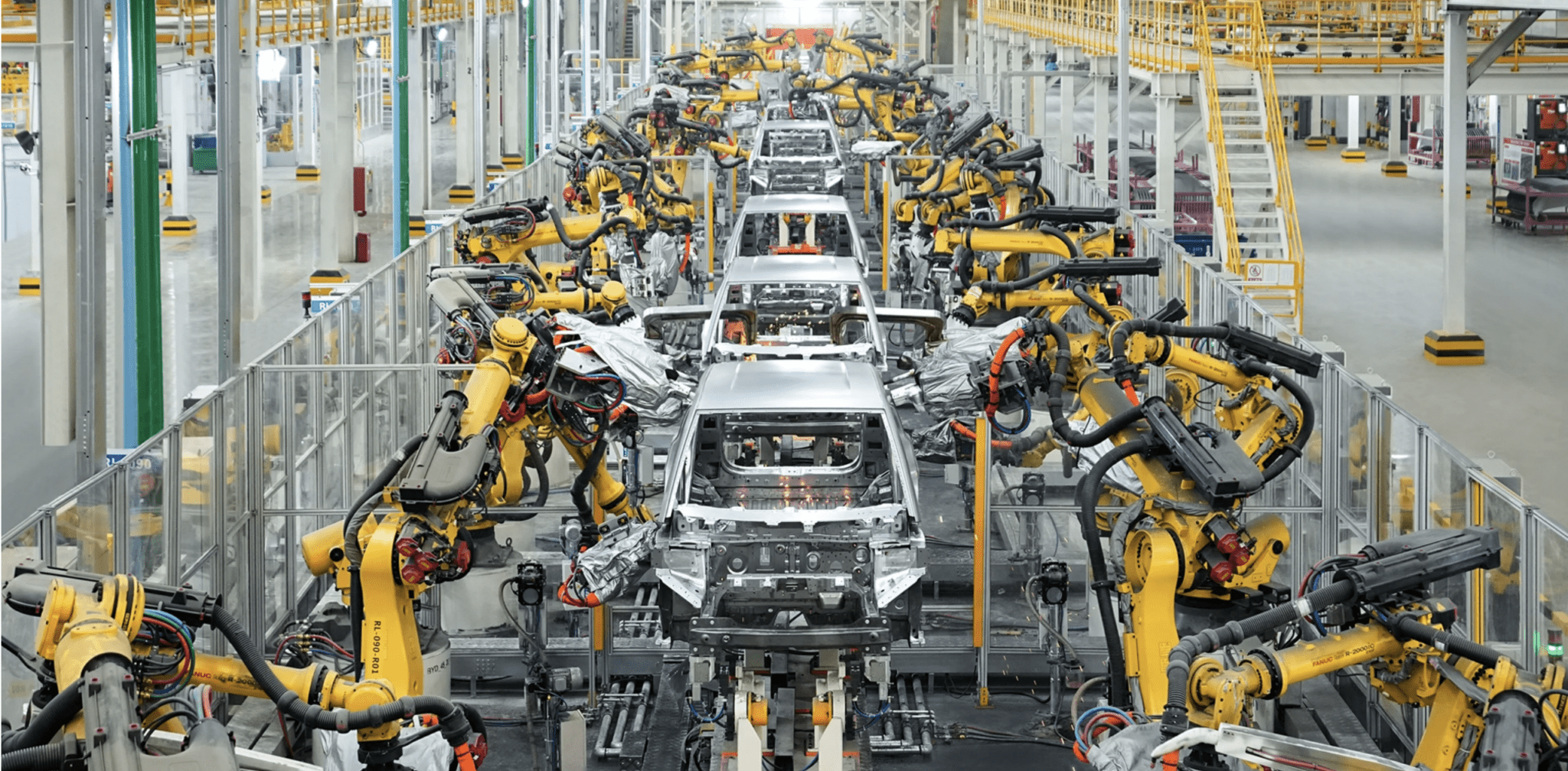
BYD attributed those violations to contractor Jinjiang Group—the same construction firm, incidentally, that is involved in the Hungary project—and the same subcontractor accountability shield was deployed. Brazil subsequently placed BYD on its Lista Suja forced labour registry in April, blocking it from accessing state-backed financing for up to two years.
In Europe, the ramifications for BYD could be more severe, particularly given that one of the Chinese migrant workers died at the Szeged site in February 2026. Hungary’s county labour authority is investigating, and local Hungarian media have begun reporting on safety conditions at the factory. China Labor Watch said it met with local authorities to share its findings last month and called on BYD to treat the violations as contraventions of both Hungarian law and international standards.
The political environment in Hungary also shifted significantly in April. Viktor Orbán, whose government cultivated BYD and fellow Chinese investor CATL as flagship foreign investment partners, was defeated in elections earlier this month. His successor, Peter Magyar, has signalled openness to Chinese investment but with conditions—explicitly requiring compliance with Hungarian and EU environmental, health, and occupational safety rules, and demanding that investments deliver tangible benefits to the Hungarian economy rather than importing Chinese labour and capital for Chinese benefit.
BYD’s Szeged factory is its first in Europe and will prove central to its strategy for avoiding EU anti-subsidy tariffs and establishing local manufacturing credentials. Possible labour rights violations on the construction site, particularly in light of previous infractions in Brazil, could materially impact its ability to conduct business both in Europe and other regions sensitive to workers’ rights.
In comments to CBC, CLW project officer Elaine Lu noted there would be “a serious forced labour risk” in importing BYD vehicles from China into Canada under the current framework. BYD is currently looking to open a multitude of dealerships in Canada to take advantage of the country’s reduced-tariff scheme for Chinese-made electric vehicles.
E-Mobility,Manufacturing,Markets,News,OEMs,BYD,Stewart BurnettBYD,Stewart Burnett#BYD #faces #forced #labour #allegations #Hungary #plant1776233474

More Stories
Pony.ai, CATL partner on first L4 electric light truck
UK lays regulations for automated passenger services
Leapmotor reveals China-only B05 Ultra at Beijing show