

Skoda will reorient its strategy towards India and Southeast Asia, but the Chinese automakers that bested it on cost and tech are expanding there too. By Stewart Burnett
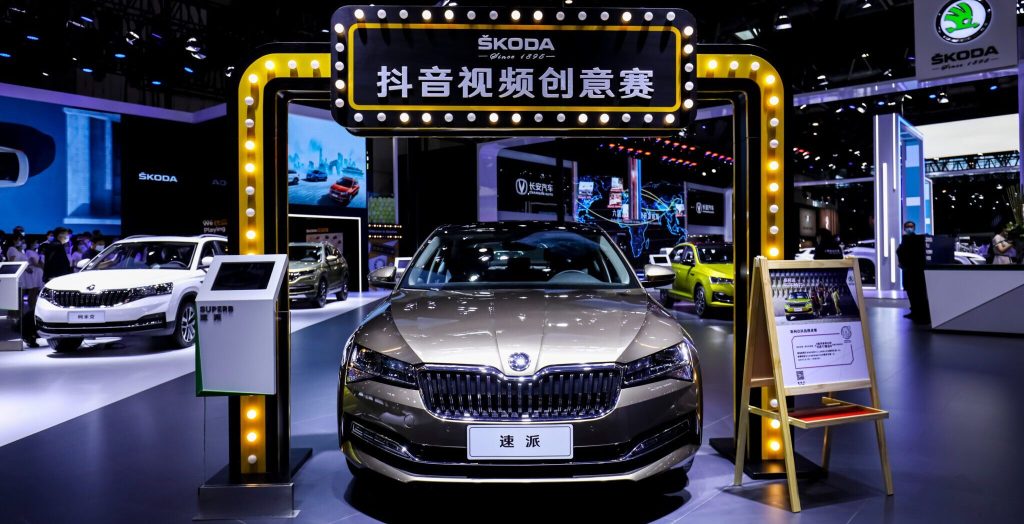
Volkswagen unit Skoda has confirmed it will exit the Chinese market by mid-2026 after deliveries collapsed from a peak of 341,000 vehicles in 2018 to just 15,000 in 2025, a decline of more than 95% that reduced the brand’s market share to below 0.1%. The automaker confirmed the withdrawal in a 25 March statement, saying the strategic focus for the Skoda brand will shift to India and Southeast Asia, regions where it recorded growth in 2025.
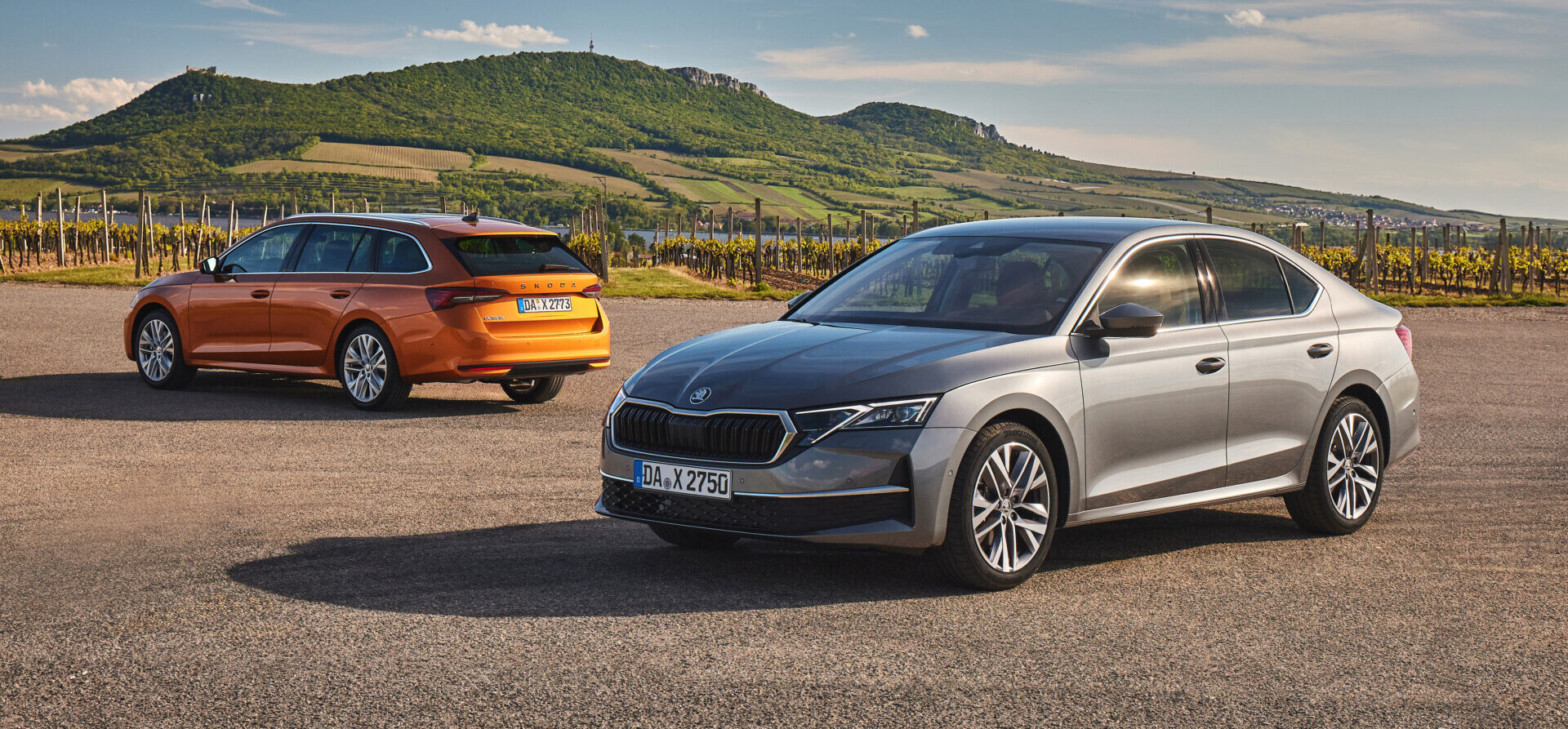
Skoda entered China in 2005 through the SAIC-Volkswagen joint venture and spent more than a decade as a credible affordable alternative to mainstream European brands. The Octavia, Superb, and Kodiaq each found audiences in a market that rewarded its cost-performance sweet spot, and China was consistently the brand’s largest single market through the early 2010s.
The collapse that followed reflects how completely that positioning has been rendered obsolete. The rapid rise of local brands that can best Skoda on comparable or superior technology at lower prices has almost entirely killed demand—particularly as it concerns electrified options.
The exit makes Skoda one of the more prominent global brands to have become casualties in China’s intensely competitive car market. In recent years local brands have forced Mitsubishi Motors to terminate local vehicle production, depleted Renault’s market presence, and put sustained pressure on many more—including Volkswagen Group cohorts like Porsche and Audi.
Unlike Volkswagen and Audi, which are investing heavily in localised electric vehicle (EV) development and software partnerships, Skoda had neither the scale nor the platform to mount a credible response to the domestic challenge. Its dealerships had already been largely absorbed into SAIC-Volkswagen showrooms in a shop-in-shop format, effectively erasing its visibility as a distinct brand.
Volkswagen itself reclaimed the top spot in Chinese sales in early 2026 as a reduction in EV subsidies briefly cooled demand for pure-electric domestic brands and benefited its hybrid and combustion model mix. This lead is unlikely to sustain itself as market demand adjusts to the winding down of subsidies.
Meanwhile, Audi is pressing ahead with new EV launches including the A6L E-tron. An attempt to create an Audi sub-brand that eschewed the iconic four rings has struggled out of the gate, with only 7,070 units of its debut E5 Sportback since deliveries began in August 2025. Local partnerships form another part of Volkswagen’s regional strategy: the ID.UNYX, its debut model jointly developed with Xpeng, entered series production earlier in March.
Skoda’s problem, then, was not that it lacked a parent with resources and China exposure—Volkswagen is clearly endeavouring to recover its position in the world’s largest car market. The problem is that no amount of group-level investment was going to rebuild a brand whose competitive position had been irretrievably ceded to local players like BYD and Great Wall Motor.
Both aforementioned Chinese automakers are expanding aggressively into Southeast Asia and India, meaning Skoda may yet have a fight on its hands with these players—which bested it once already on technology and cost—as it reorients its strategy.
Markets,News,OEMs#Skoda #exit #China #mid2026 #sales #collapse1774510471
More Stories
Pony.ai, CATL partner on first L4 electric light truck
UK lays regulations for automated passenger services
Leapmotor reveals China-only B05 Ultra at Beijing show