

Xpeng claims it can go toe-to-toe with Tesla on LiDAR-free autonomy, but can it match industry players working without this handicap? By Stewart Burnett
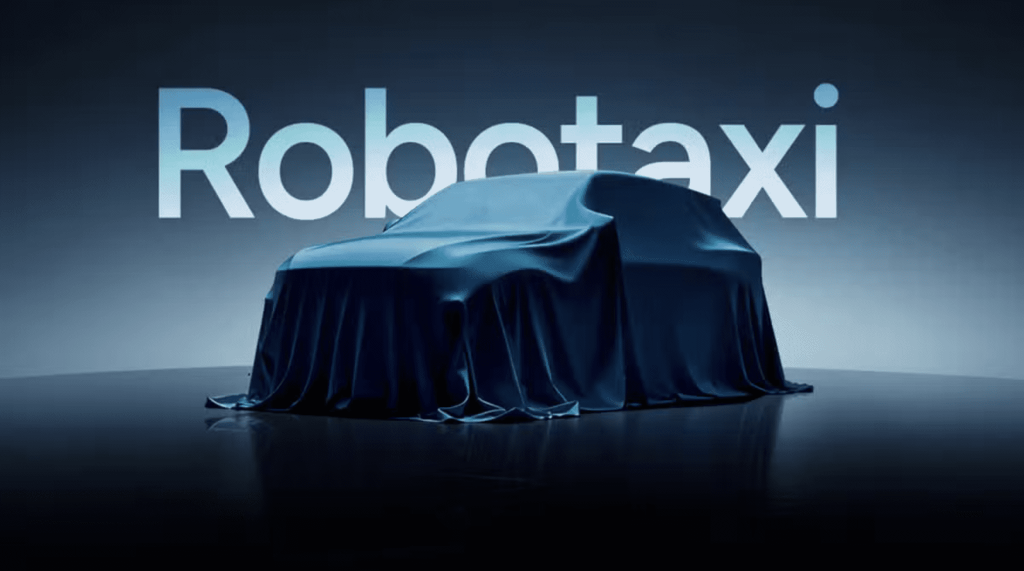
Xpeng has formally established a robotaxi business unit to coordinate the product definition, project integration, R&D testing, and daily operations of its autonomous ride-hailing programme. The division operates as a tier-one unit inside the company, with Chief Executive He Xiaopeng confirming that passenger-carrying demonstration operations are planned for the second half of 2026, followed by operations without safety officers in 2027.
The unit is built around VLA 2.0, Xpeng’s second-generation autonomous driving model, which the company positions as the first system in China capable of competing with Tesla’s Full Self-Driving. Both systems are distinguished for the decision to eschew LiDAR; the latter also ditches radar for a wholly camera-dependent approach.
Unlike FSD, VLA 2.0 reduces reliance on HD maps and is purportedly capable of up to SAE Level 4 autonomy, processing environmental data from seven cameras at 5,000 inputs per second. Internal testing indicates inference speed is 12 times faster than the previous generation. Xpeng’s large six-seat GX SUV, equipped with VLA 2.0, began routine L4 road testing in February and is due for commercial launch in the second quarter of this year.
The robotaxi unit’s establishment comes just one month after Xpeng consolidated its autonomous driving and smart cockpit centres into a single General Intelligence Centre. He has said fully autonomous driving will be realised within one to three years—presumably meaning Level 4 and not Level 5, which is widely considered a long term goal by most industry experts. The Xpeng executive, striking a decidedly Musk-ian chord, also proclaimed that all vehicles will become “super intelligent agents” within three to five years.
The timing, days after reporting Xpeng reported its first quarterly profit and announced a Latin American market entry, indicates the automaker is harnessing this moment of financial stabilisation to accelerate its longer-term gambles. Whether it pays off is uncertain: VLA 2.0’s vision-based architecture may cause it to face scrutiny comparable to Tesla’s FSD approach, which has been met with strong criticism for its patchy safety record.
Xpeng is crystallising its vision for autonomy just as China’s robotaxi segment reaches an inflection point. Various players are moving towards series production of robotaxis, among them WeRide and Pony.ai-–the former in partnership with Geely, the latter with Toyota and GAC. The industry is also inching towards profitability, with Pony.ai reporting positive unit economics in two Chinese cities, Guangzhou and Shenzhen, as of March 2026.
Autonomous Driving,E-Mobility,News,OEMs,Software-Defined Vehicle,Stewart BurnettStewart Burnett#Xpeng #formalises #robotaxi #push #dedicated #business #unit1774285628
More Stories
Pony.ai, CATL partner on first L4 electric light truck
UK lays regulations for automated passenger services
Leapmotor reveals China-only B05 Ultra at Beijing show