



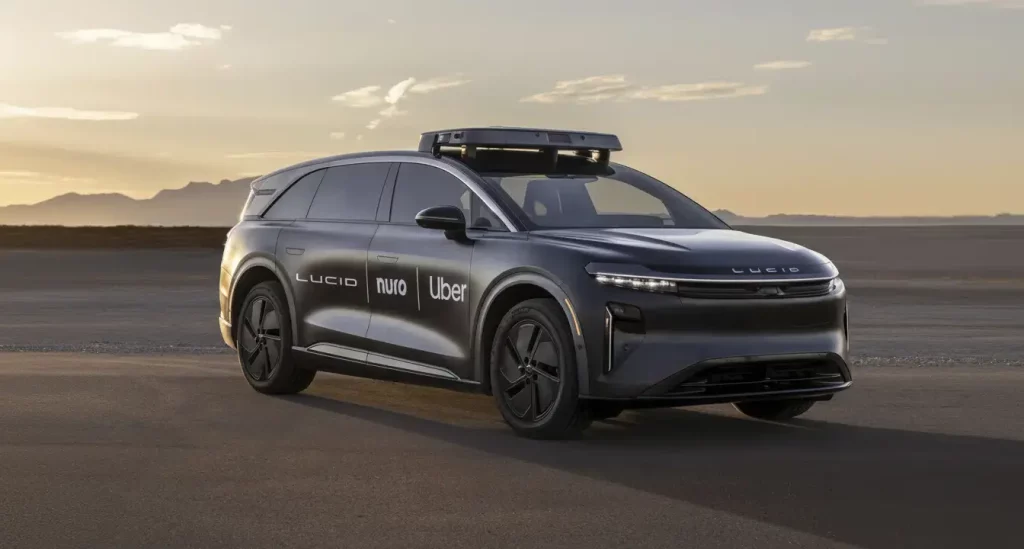
Uber plans to launch robotaxi services in 15 cities during 2026, among them Hong Kong, Madrid and Zurich. By Stewart Burnett
Uber extolled the merits of its capital-intensive autonomous vehicle strategy during its 4 February earnings call, despite profit taking a hit from its push for affordable rides and higher region-specific taxes, sending shares of the ride-hailing company down 5%. The ride-hailing firm highlighted its efforts pledging capital to a wide range of autonomous driving partners to secure early supply dominance and speed up deployments, while working with banks and private equity firms to secure the necessary finance.
Uber plans to facilitate robotaxi trips in up to 15 cities globally by the end of 2026, expanding its services to cities including Madrid, Hong Kong, Houston and Zurich. Hong Kong will be its first autonomous ride market in the far east—its first Asian services were in the United Arab Emirates—while London, Munich, Los Angeles and the San Francisco Bay Area are also planned for launches. Chief Executive Dara Khosrowshahi said that autonomous vehicles operating through Uber’s platform have achieved higher utilisation and shorter pickup times than standalone robotaxi services, supporting the view that an existing and widely-used platform can deliver better economics for companies as autonomous vehicle deployment scales.
The company forecast first-quarter adjusted earnings per share of US$0.65 to US$0.72 cents, falling short of analyst expectations around US$0.76, while fourth-quarter adjusted earnings of US$0.71 missed estimates of US$0.79. Trips rose by 22% in Q4 as more consumers opted for shared rides and other lower-cost mobility products aimed at improving affordability. Uber warned it expects a higher effective tax rate of 22%-25% in 2026 due largely to the fact it now operates on more than 70 countries.
Gross bookings are expected to reach between US$52bn and US$53.5bn in Q1—above estimates—underscoring that demand for ride-hailing remains resilient despite Uber’s weakened margins. It was also announced that Prashanth Mahendra-Rajah will step down as Chief Financial Officer, with longtime executive Balaji Krishnamurthy set to take over the role. Krishnamurthy is known for his support of autonomous vehicle technology.
Autonomous vehicle startup Waabi raised US$1bn in January 2026 from investors including Uber, entering a partnership with the firm to deploy robotaxis. Khosrowshahi said the first 25,000 self-driving vehicles that the startup produces will be exclusively deployed on Uber’s platform.
Autonomous Driving,Markets,News,Software-Defined Vehicle,Stewart BurnettStewart Burnett#Uber #doubles #robotaxis #earnings #disappoint1770333951


More Stories
Pony.ai, CATL partner on first L4 electric light truck
UK lays regulations for automated passenger services
Leapmotor reveals China-only B05 Ultra at Beijing show